


GTC Concessionaire of AmberOne A1 Highway

Case study AmberOne A1 Highway
Approximately 40–50% energy savings and CO₂ reduction achieved by replacing traditional lighting with LED luminaires and implementing a reactive power compensation system on the AmberOne A1 Highway (Toruń–Gdańsk section).
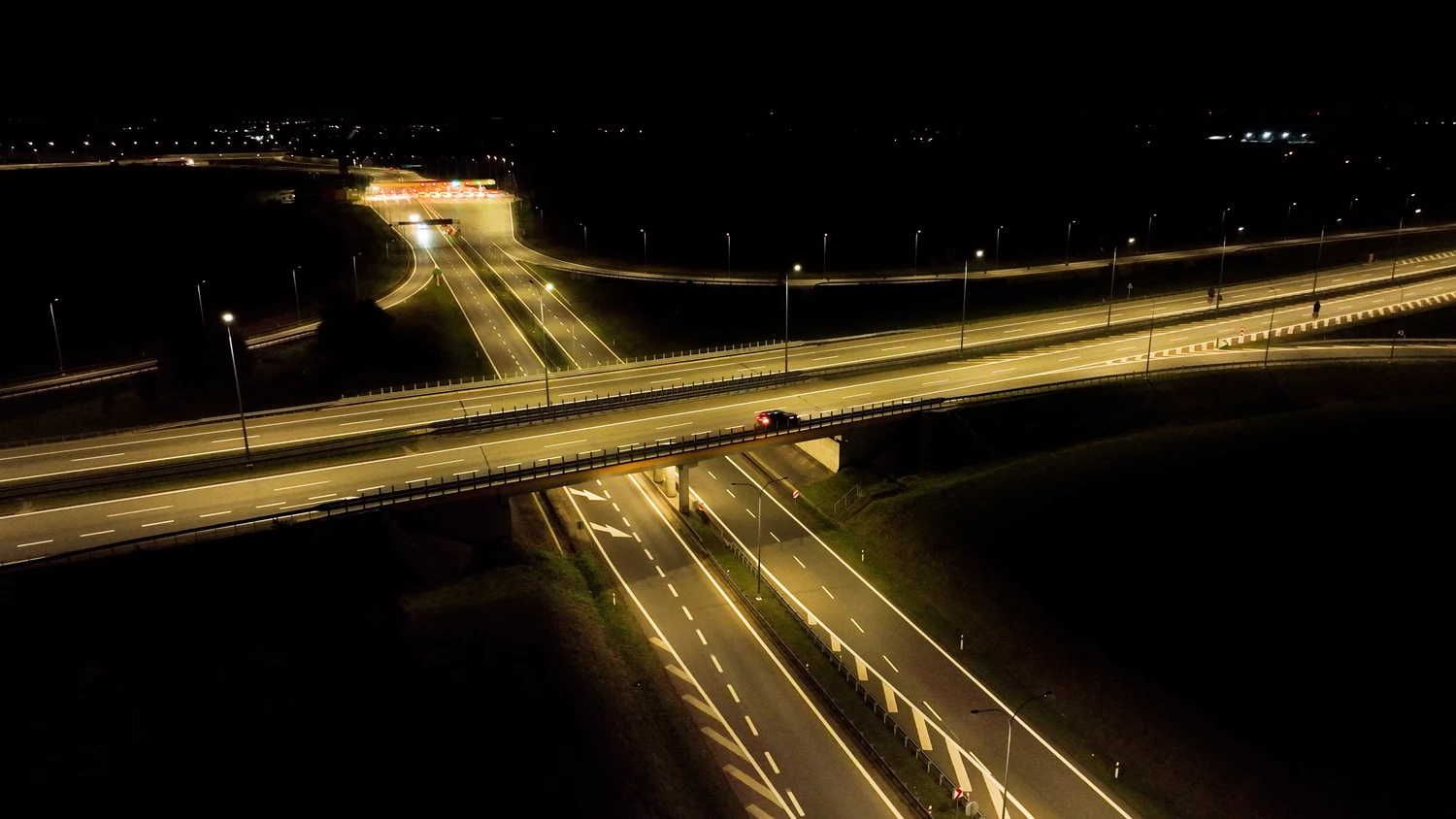
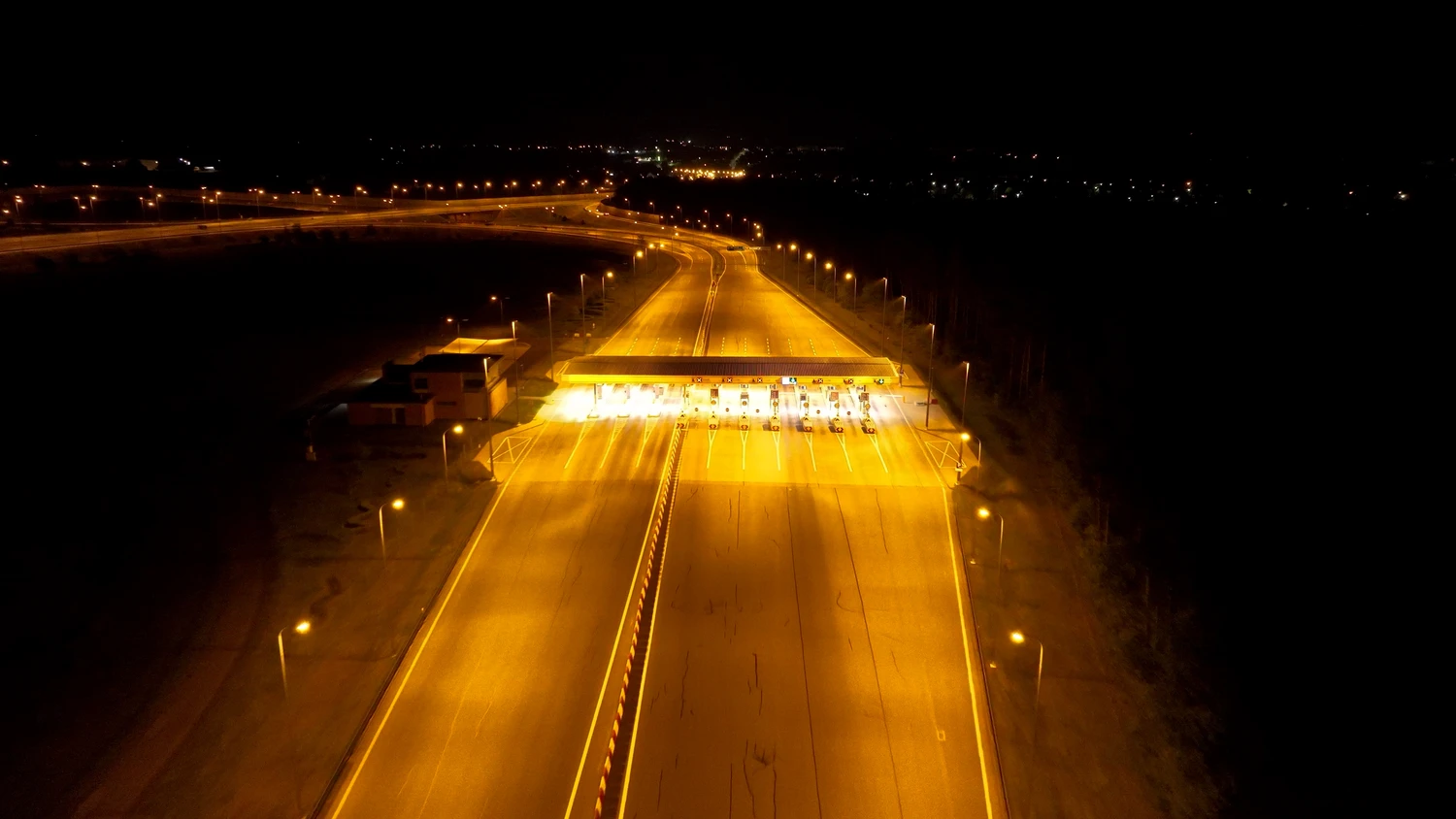
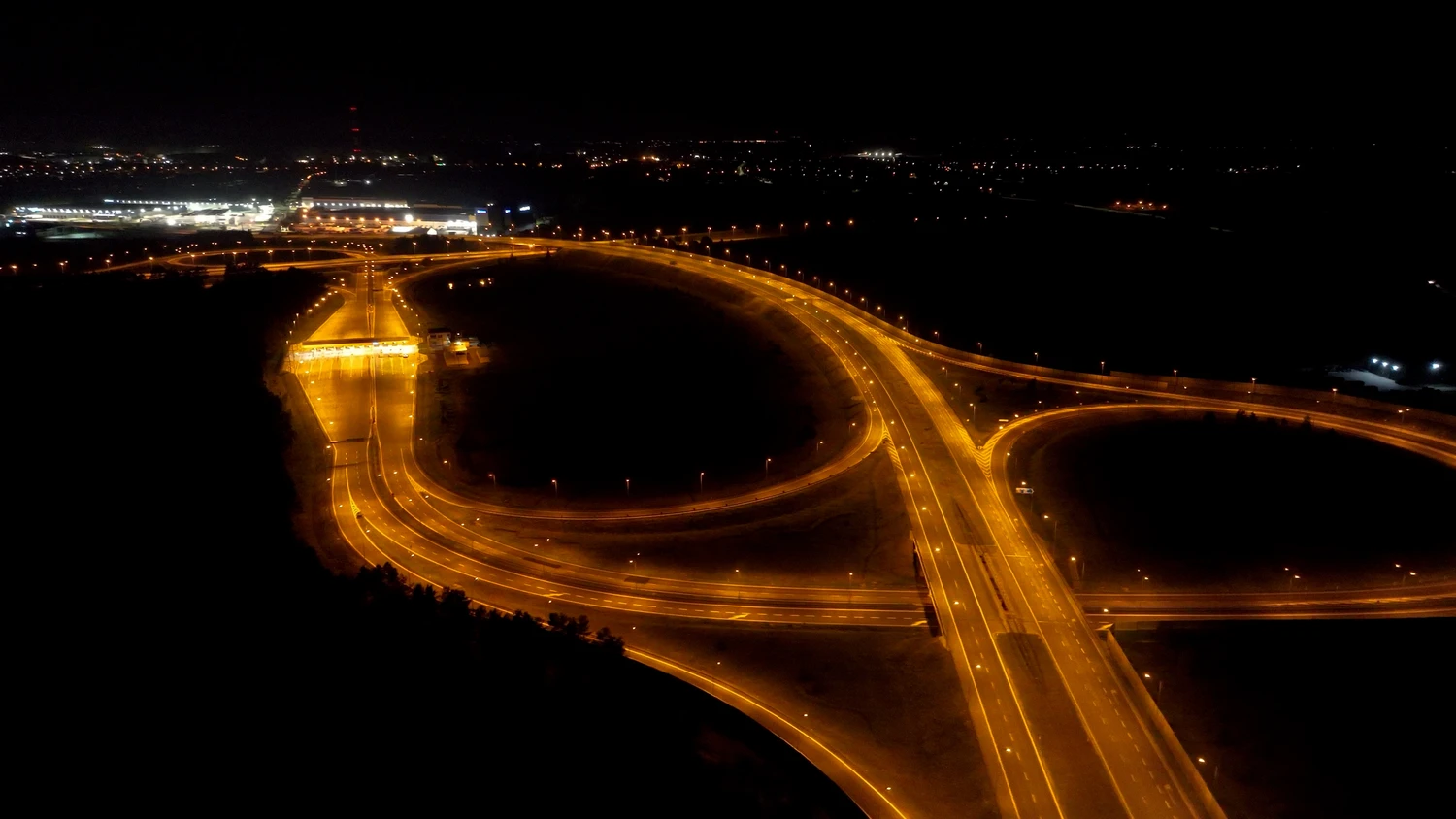
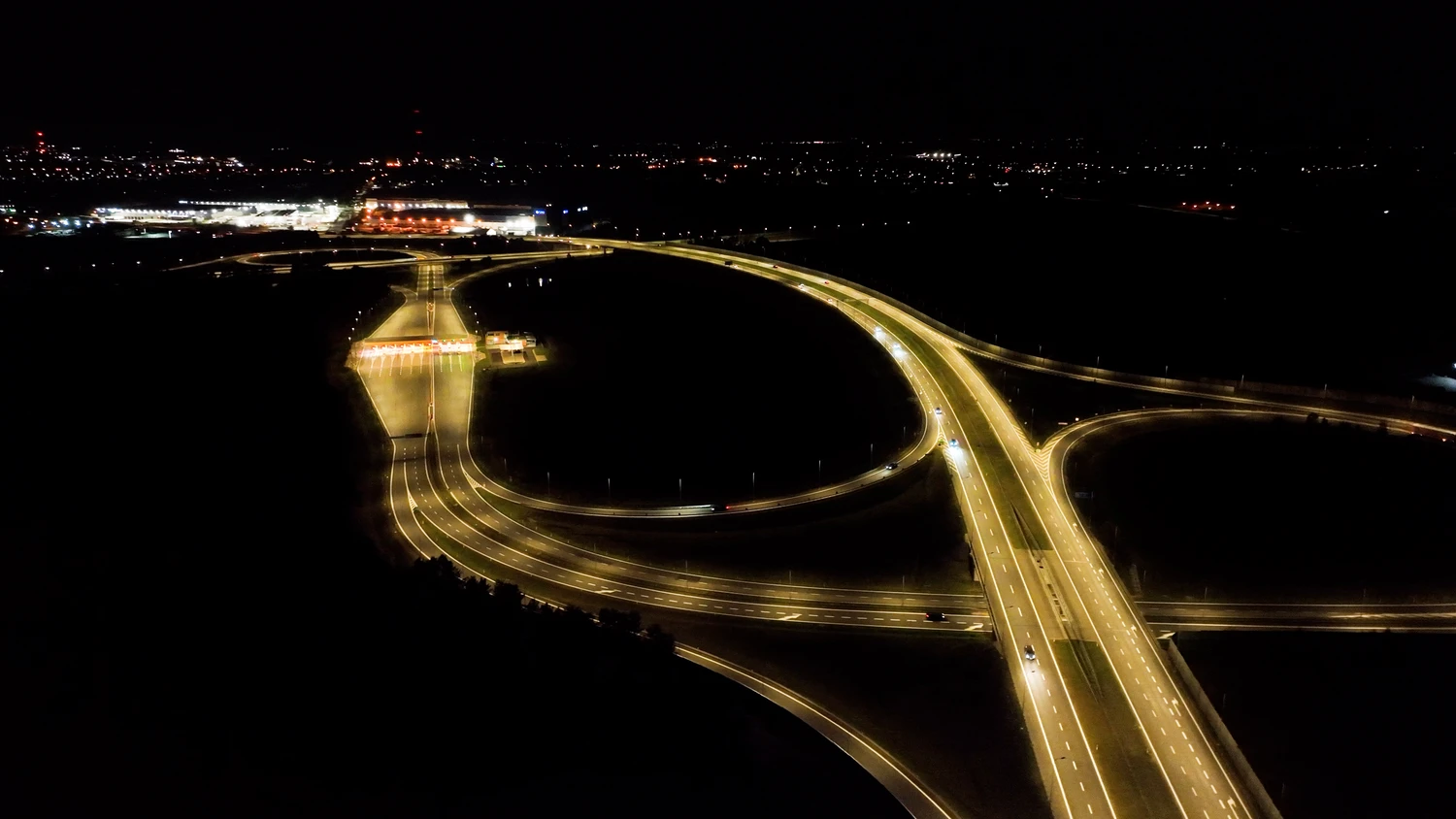
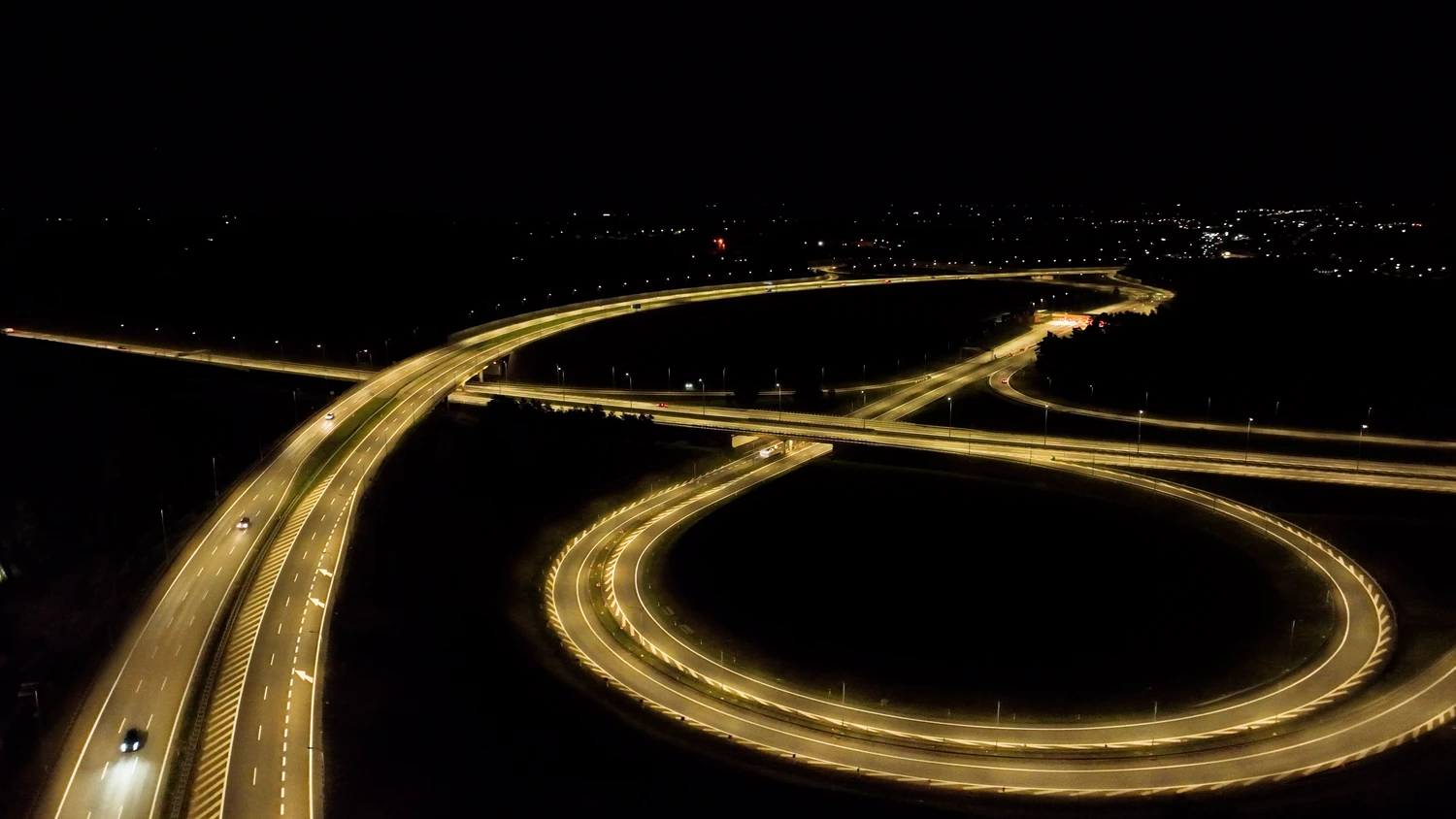
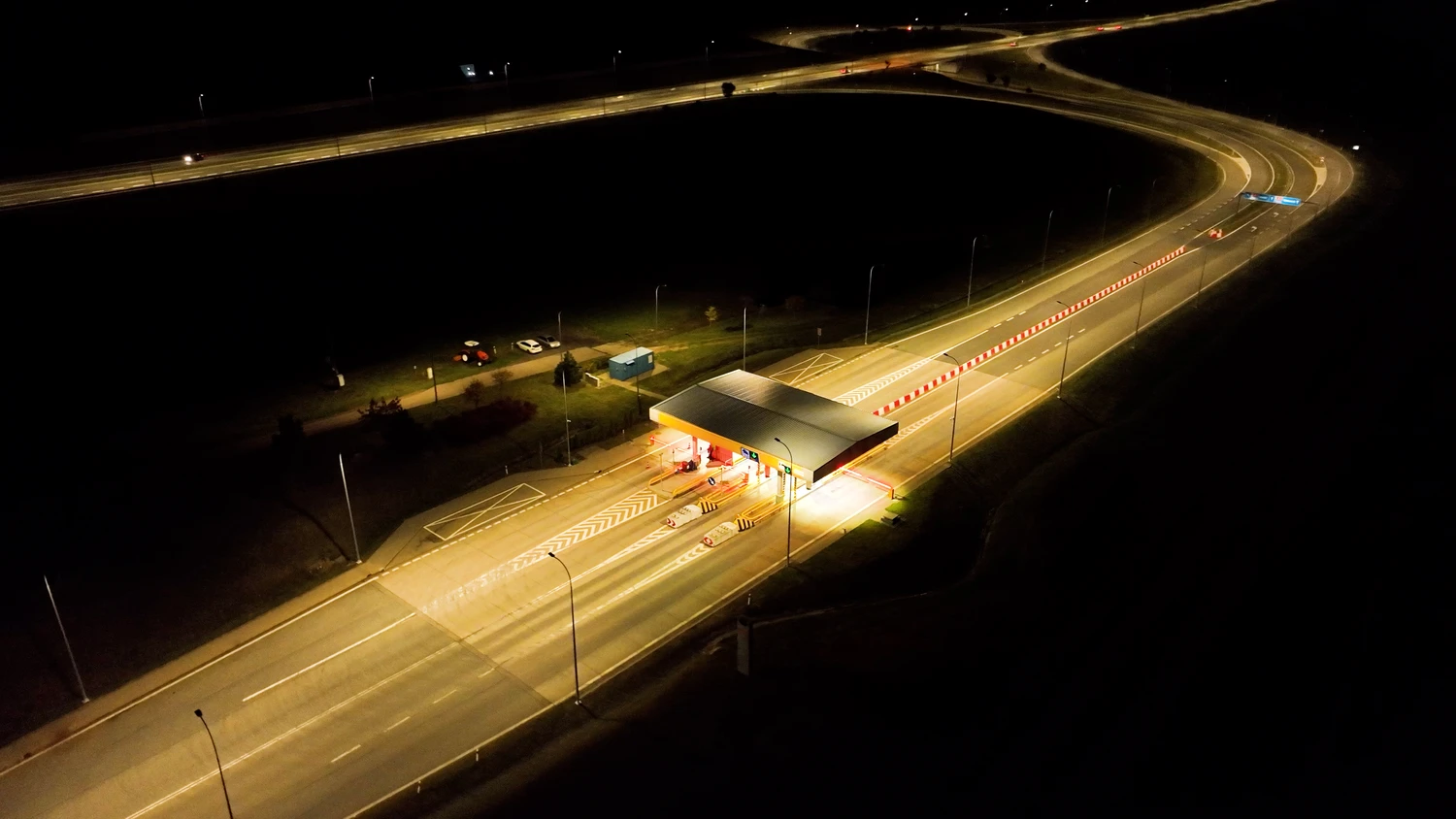
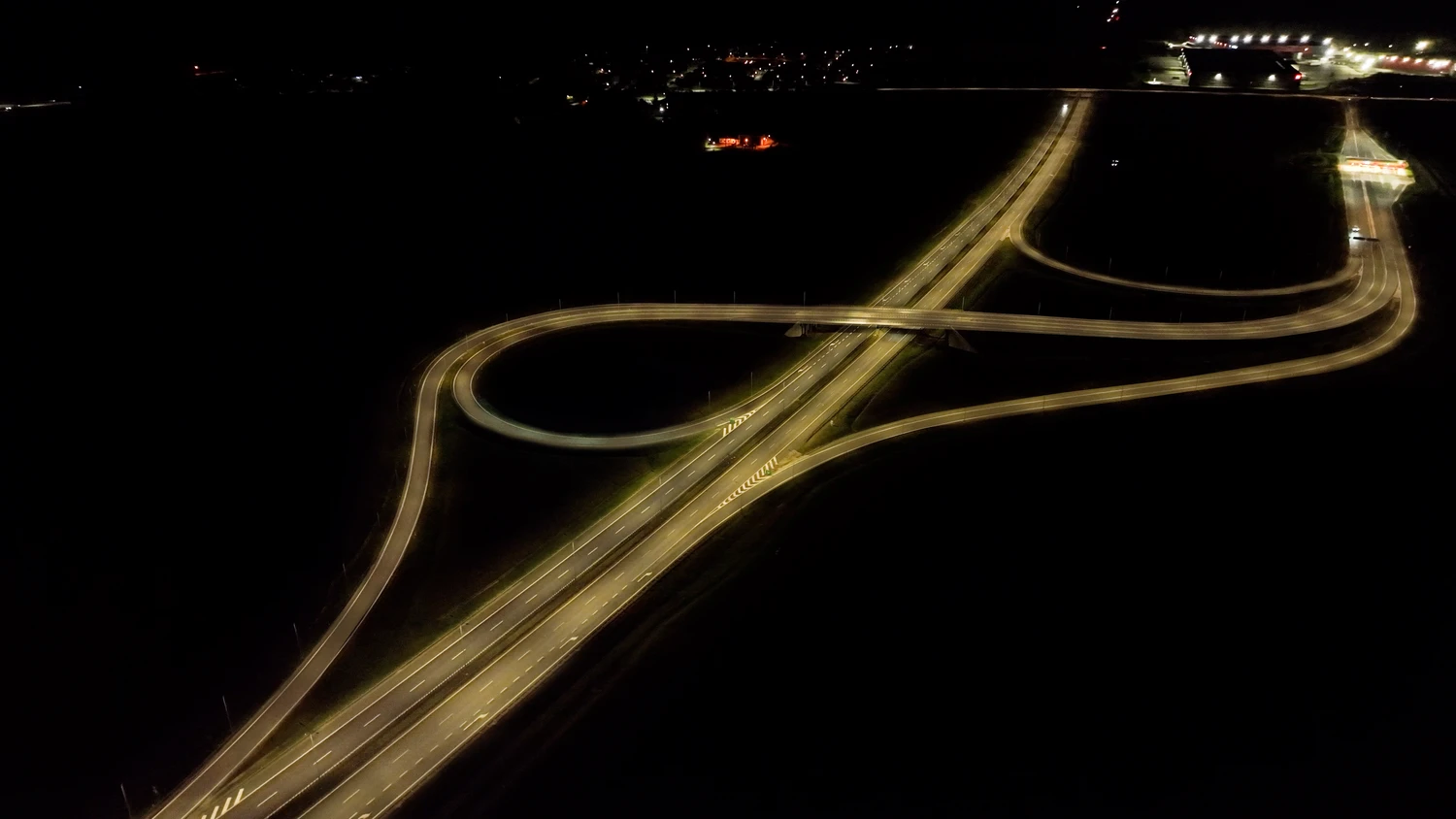
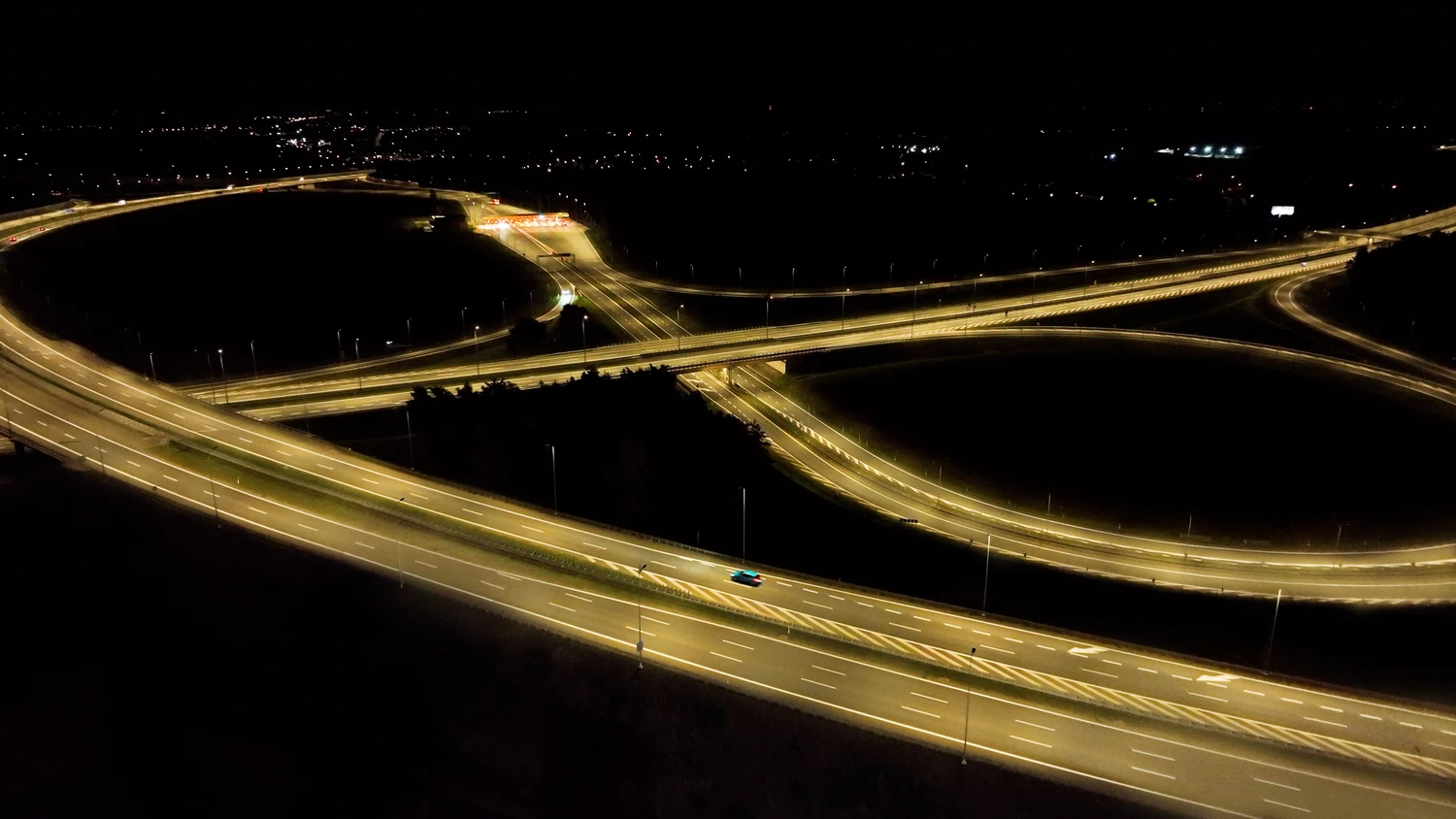
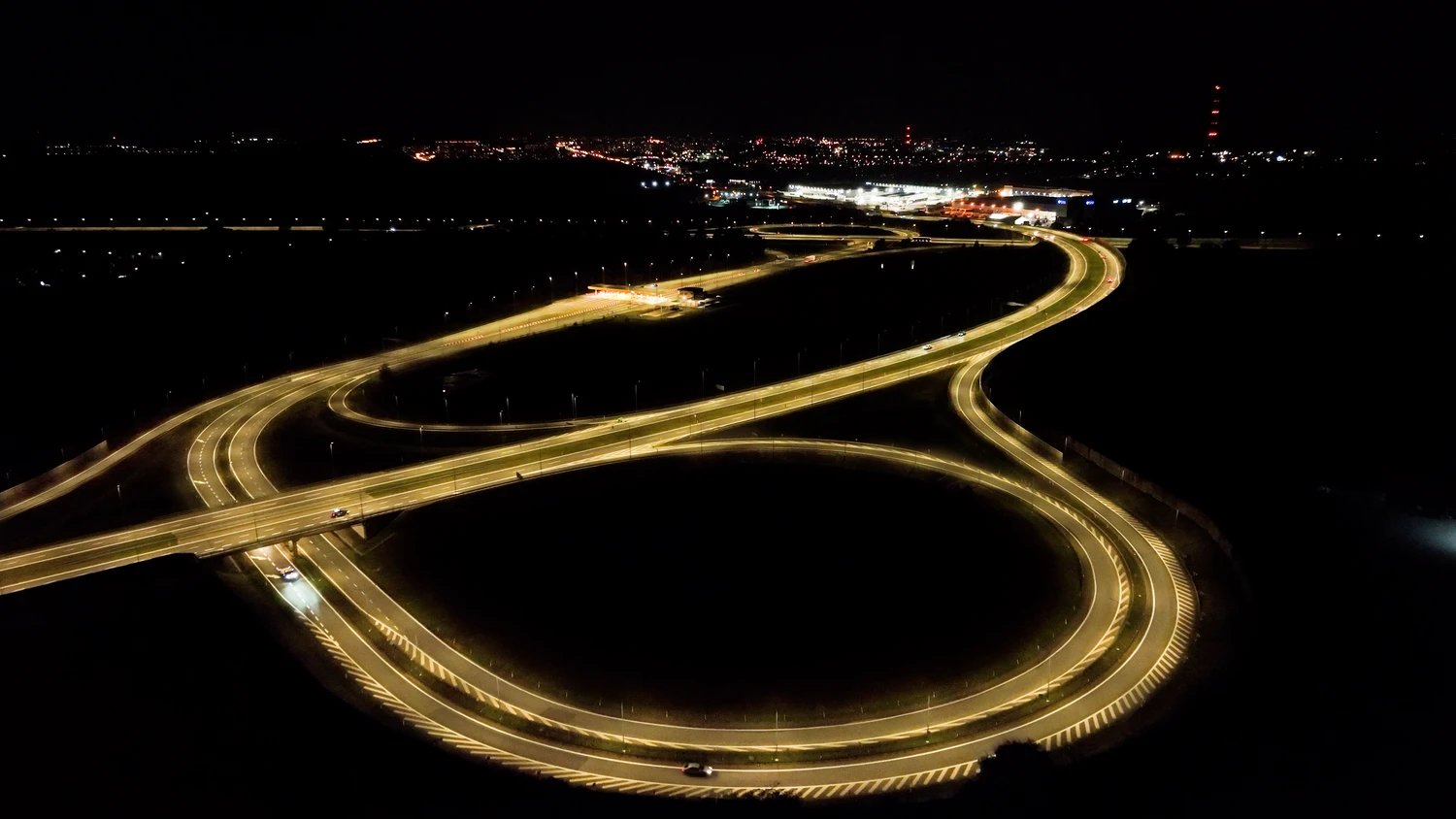
On the AmberOne A1 Highway between Toruń and Gdańsk, we carried out the replacement of nearly 4 000 lighting fixtures with modern LED luminaires.
The project was completed in cooperation with Intertoll Construction, which handled the installation work and coordinated the entire rehabilitation process. The scope of the project included fixture replacement, the implementation of a reactive power compensation system, and integration with the existing LED lighting control infrastructure.
By using a warm color temperature of 3000K, we improved driver comfort, reduced glare, and minimized the environmental impact of artificial lighting.
This color choice for road infrastructure aligns with Luxon’s mission of delivering sustainable and energy-efficient solutions for street lighting.
highway lighting, service areas, overpasses, underpasses
road infrastructure
vandal resistance IK10, warm light color temperature 3000K
Challenges

Increasing failure rate of the existing lighting system

Integration of new LED luminaires with the existing lighting control system

Synchronizing fixture replacement with the ongoing road resurfacing works

Optimizing operating costs by reducing reactive power consumption
The client reported an urgent need to replace the aging lighting system, which had become increasingly prone to failures and was suffering from limited availability of spare parts.
A key challenge was to maintain uninterrupted traffic flow during the upgrade works while ensuring that the new LED luminaires would be fully compatible with the existing control system.
Additionally, to avoid high operational costs caused by reactive power consumption, the project required the implementation of an efficient power factor correction system.
The lighting replacement also had to be carefully synchronized with ongoing road resurfacing works to minimize disruptions. At the same time, a major objective was to optimize long-term maintenance and energy costs.
We are very pleased that GTC chose a light color temperature that closely resembles natural daylight. This type of solution greatly benefits both user safety and the environment by minimizing the negative impact of lighting on surrounding ecosystems.
It aligns perfectly with Luxon’s mission, which we have been pursuing for several years in the street lighting sector -promoting the use of environmentally friendly light colors that meet applicable standards while ensuring significant energy savings.
 Marcin Oleszowski
Road Infrastructure Manager, Luxon LED
Lighting Concept
As part of the LED lighting upgrade on the AmberOne A1 Highway, we delivered 4 000 new LED luminaires, carefully tailoring their specifications to the unique requirements of different highway zones. We implemented technologically advanced luminaires from the Cordoba LED family, known for their durability, energy efficiency, and user safety. The project also addressed the challenges of zones exposed to vandalism and areas with high traffic intensity.
The use of luminaires with a warm color temperature of 3000K significantly improved driver comfort, reduced glare, and minimized light pollution, which can negatively affect both ecosystems and human health. Warm light, similar to natural light, is gentler on the eyes and helps reduce fatigue during night driving. Additionally, it limits disruption to the circadian rhythms of wildlife, thereby reducing the environmental impact.
This approach is fully aligned with Luxon LED’s mission to implement sustainable and energy-efficient solutions that balance the needs of road users with a commitment to environmental responsibility and quality of life.
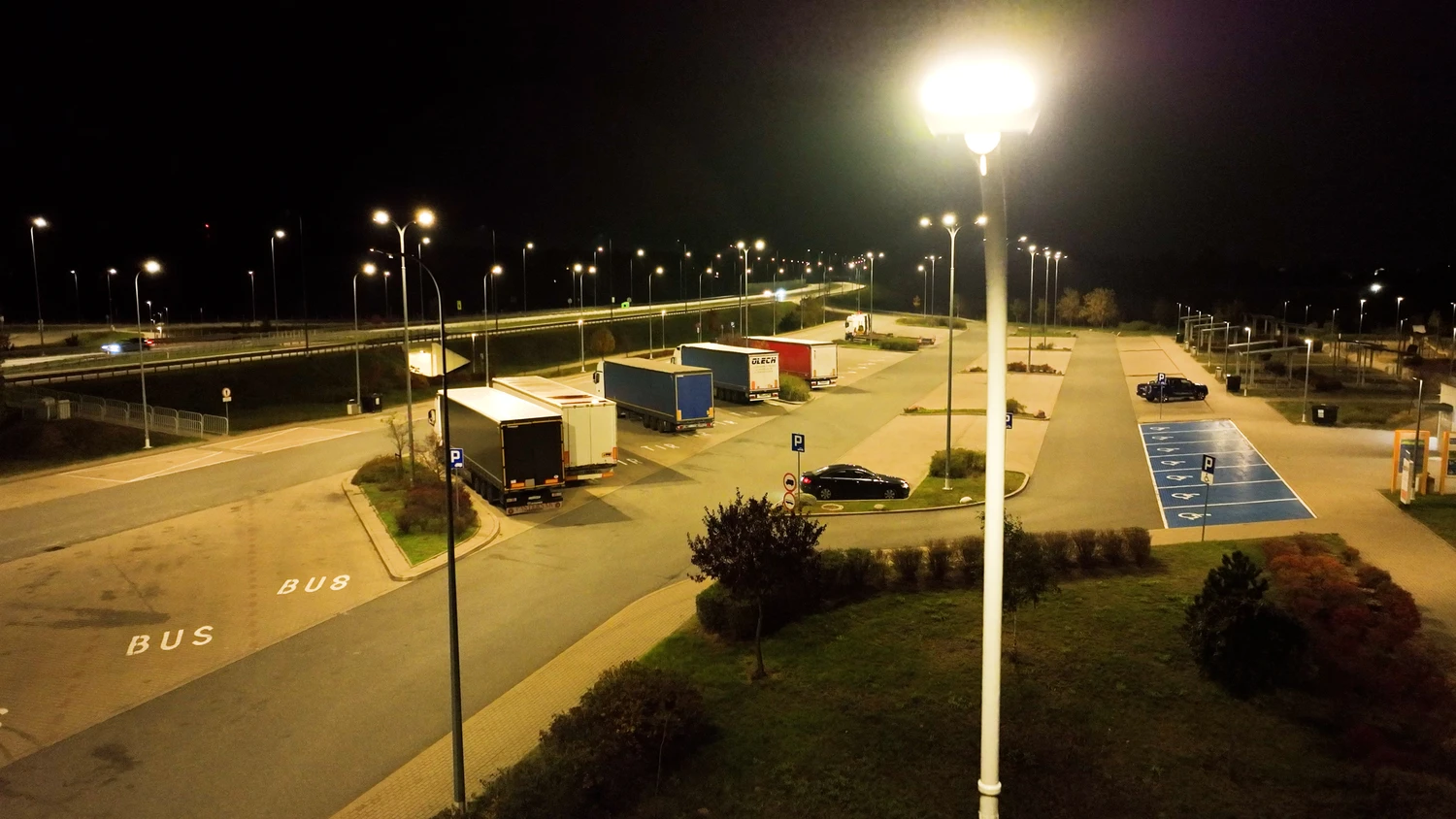
Corodoba LED S
Universal luminaires with high mechanical resistance (IK10) were installed at service areas, where durability and ease of maintenance were crucial. Standardizing luminaires within a single product family simplified servicing and future warranty replacements.

Corodoba LED M
hanks to dedicated mounting brackets and positioning at the edge of the roadway, the risk of damage from truck gusts was minimized while meeting lighting standards.

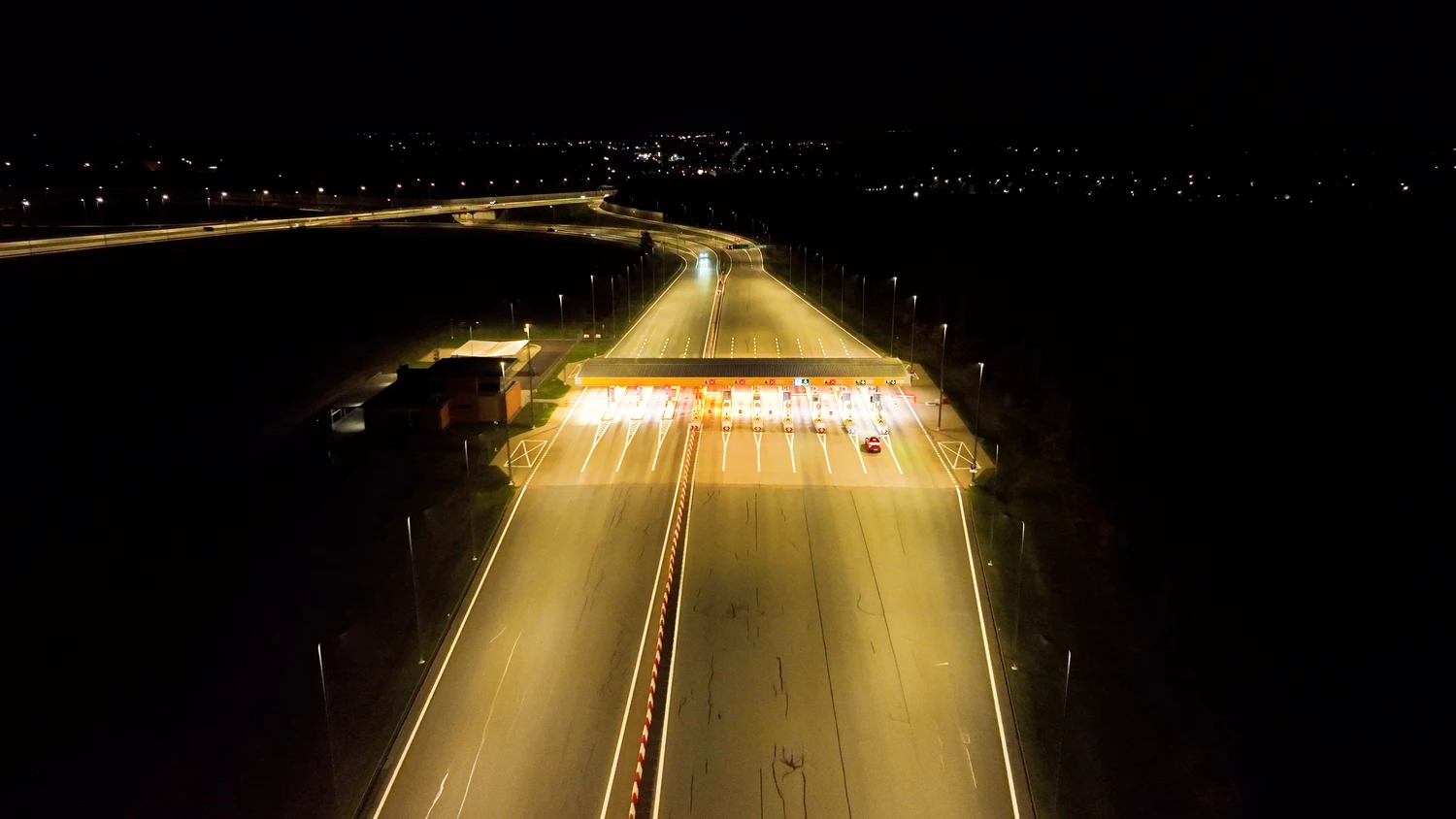
Corodoba LED L
The high power and low weight of these luminaires proved effective on main routes and at toll stations. Their use reduced the load on lighting poles while providing the required illumination levels (40 lx in access zones and 60 lx near toll booths).

Scope of cooperation
Inventory
Audit
Lighting design
Labeling and wiring of luminaires during production
Implementation of a reactive power compensation system
We began the cooperation with a detailed inventory of the existing lighting system, which allowed us to precisely identify the client’s needs and tailor the project to technical requirements. A key element was the analysis of cable lengths and pole numbering, enabling the preparation of personalized labels for each luminaire, thus facilitating installation and future maintenance.
Based on the audit, we implemented custom-designed luminaires, which were equipped during production with dedicated cables and mounting markings. This approach significantly accelerated installation and minimized the risk of errors, which was crucial for maintaining traffic flow on the highway.
The installation was carried out in stages to align with the road surface renovation schedule, which was being conducted simultaneously on the highway. Coordination of these activities was made possible through close collaboration with GTC and Intertoll Construction, allowing us to avoid delays and ensure the safety of both the installation teams and road users.
Thanks to a flexible approach and thorough preparations, the project was successfully completed, delivering a durable and energy-efficient solution that reduced operational costs and enhanced safety on the highway.
Reactive Power Compensation System
One of the key aspects of the project was the implementation of a reactive power compensation system across 56 locations.
By using centralized power reducers, we were able to:
- Eliminate additional reactive power charges that often occur with LED technology
- Optimize energy consumption by dynamically reducing the luminaires’ power by over 50% during nighttime hours
- Reduce energy losses and improve the overall operational efficiency of the system
Implementation results
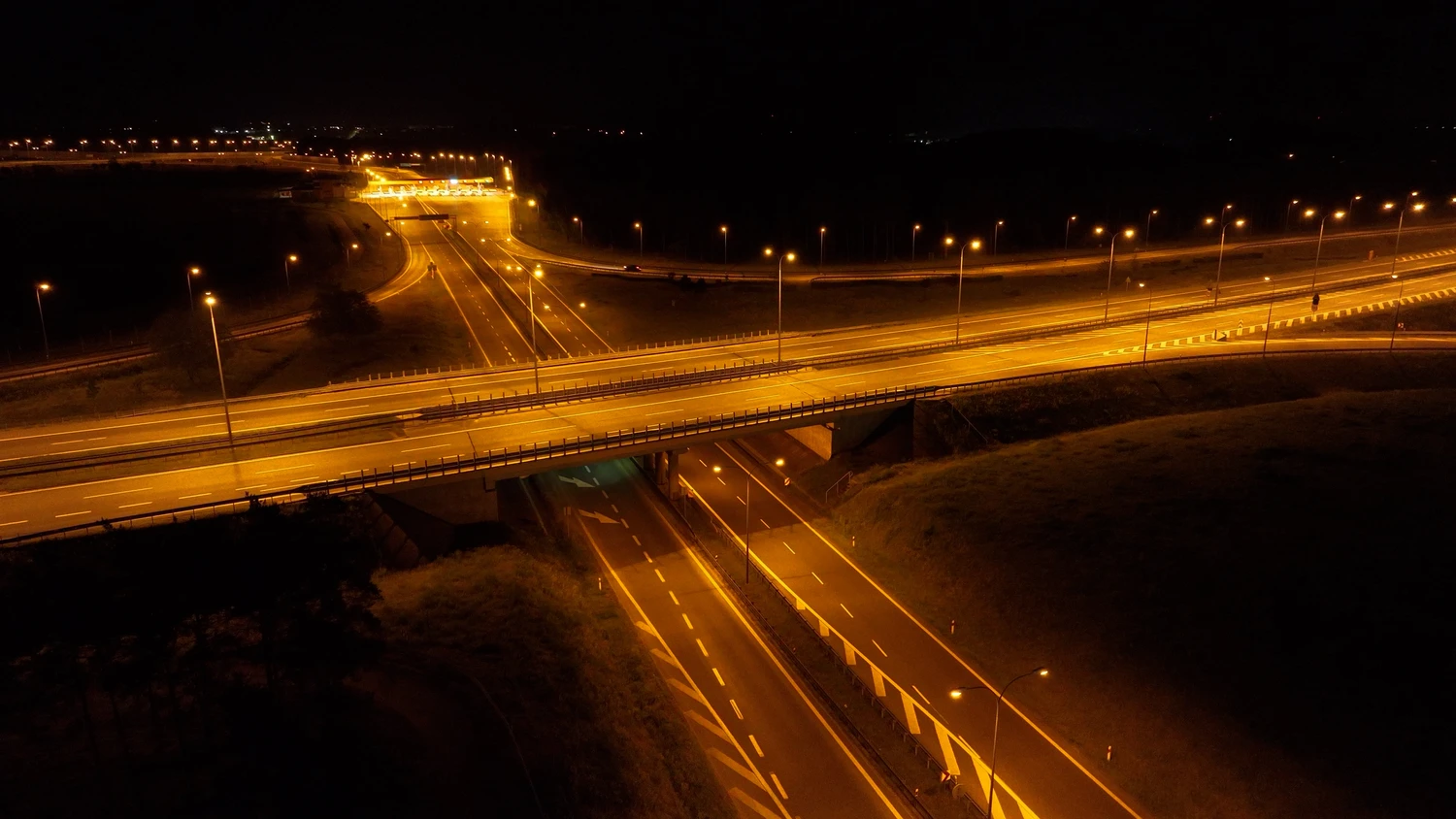

annual energy savings
less CO₂ over 5 years
reduction in luminaire power during nighttime hours
See how the client assessed the cooperation
 Grzegorz Kuleta
The cooperation with Intertoll Construction and Luxon, the main lighting supplier, went very well. In less than a year, around 4,000 lighting fixtures were replaced. All work was carried out with the highest safety standards for both workers and motorway users.
It’s also important to mention that the lighting replacement had to be coordinated with road resurfacing works happening at the same time.
The main result was the replacement of old, worn-out lighting and cables with new LED fixtures, which use about 40–50% less electricity. This also helps reduce CO2 emissions for the entire motorway project
Grzegorz Kuleta
Technical Director of GTC
Check Out More Case Studies
See all

Get support from our experts
Provide your contact details. We will contact you within 24 hours on business days
ASK ABOUT A PRODUCT
ASK ABOUT OFFER
Are you looking for an investment product? Need help choosing luminaires for challenging conditions? Leave your contact details, and we will get in touch within 24 hours on business days
Do you have a specific project? Need an offer? We will prepare it for you! Simply send us the specification, details, and expected implementation date.